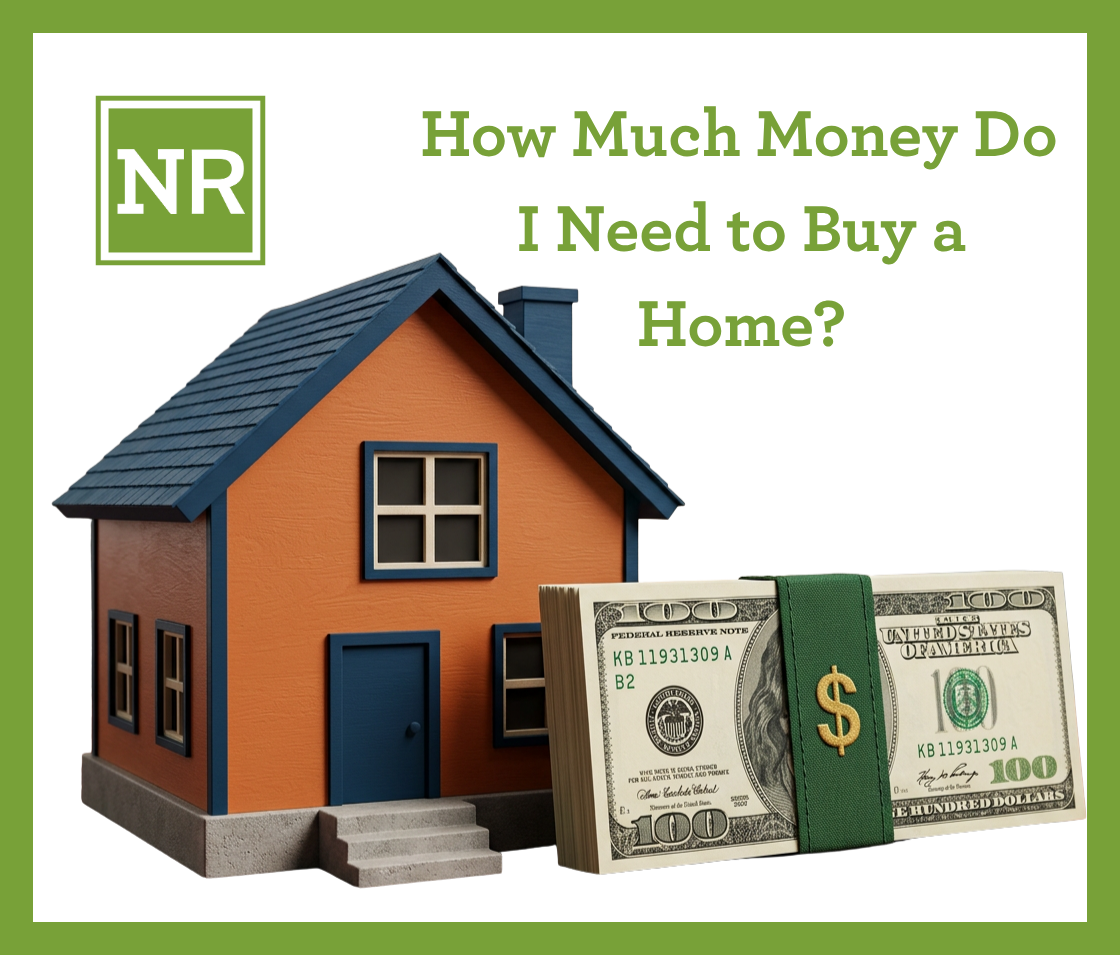
How Much Money Do I Need to Buy a Home?
This is usually the first question a home buyer has when they start thinking about buying a new property.
The answer depends on several factors, but many buyers are surprised to learn they may not need as much cash upfront as they think. Let's break down the costs associated with purchasing a home and what you should plan for as you prepare to buy.
Down Payment
The down payment is often the first expense buyers think about. While many people assume they need a large amount down, that's not always the case.
Depending on the loan program, buyers may be able to purchase a home with a lower down payment than expected, and some qualified buyers may even have access to programs that require little to no money down.
A larger down payment can reduce your monthly payment, but it is not always necessary to become a homeowner.
Closing Costs
In addition to your down payment, you'll need to budget for closing costs. What are closing cost? These are fees associated with finalizing your home purchase and are typically calculated as a percentage of the purchase price.
Closing costs may include:
Loan origination fees
Appraisal fees
Title insurance
Attorney fees
Recording fees
Prepaid property taxes and homeowner's insurance
Earnest Money
When you make an offer on a home, you'll typically submit earnest money. This deposit demonstrates your commitment to purchasing the property and is later applied toward your down payment or closing costs.
The amount can vary depending on the property, the market, and the terms of the offer.
Moving and Initial Home Expenses
Many buyers focus solely on the transaction costs and forget to budget for life after closing.
You may want to set aside funds for:
Moving expenses
Utility deposits
Furniture and appliances
Paint and cosmetic updates
Having a small reserve fund can make the transition into home ownership much less stressful.
Don't Forget About Monthly Costs
Your mortgage payment is only one part of homeownership. Be sure to consider:
Property taxes
Homeowner's insurance
HOA fees (if applicable)
Utilities
Maintenance and repairs
A lender can help determine what monthly payment fits comfortably within your budget.
The Bottom Line
The amount of money needed to buy a home varies from person to person, but homeownership may be more attainable than you think.
If you're wondering how much home you can afford or what your upfront costs might look like, the best first step is to speak with a trusted lender and real estate professional. Together, they can help you create a personalized plan and determine the best path toward homeownership.
At Neighborhood Realty, we're always happy to answer questions and connect you with trusted local lenders who can help you understand your options. Whether you're ready to buy now or simply planning for the future, we're here to help every step of the way.